Aubrium Blog
Research, evidence and original analysis on how social platforms work — no listicles, no recycled advice.
All posts
56 articles
Every platform quietly switched from "who you follow" to "what you like"
TikTok, YouTube and Instagram all moved to interest-based feeds. Each platform said so in writing. It is the biggest structural change in social media in a decade.

The feed stopped being your friends — and nobody sent a memo
Meta says a growing share of what you see on Instagram is recommended, not posted by accounts you follow. You are now competing with the entire platform for a stranger's attention.
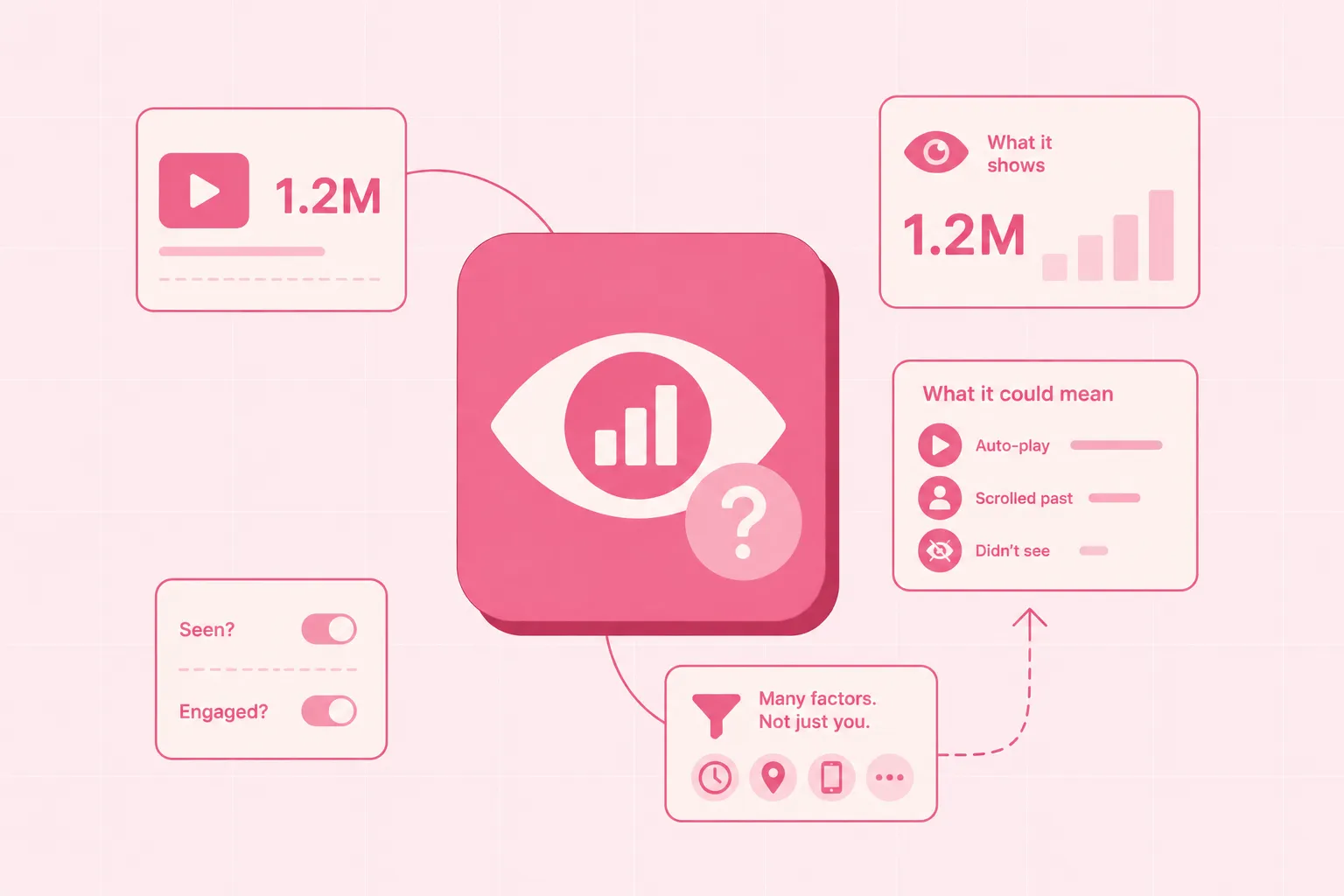
The number you are watching does not mean what you think it means
Engagement rate is computed five different ways. And it is collapsing as reach shifts to strangers who will never engage the way a follower does.

The tactics the gurus sell are the ones Meta says it demotes
Comment YES. Tag three friends. Meta has an explicit policy against engagement bait and says it demotes the posts. The policy is written for Facebook, and no Instagram ranking document mentions it.

DMs are the new feed — the platform is going private, and the signals prove it
Instagram's own ranking documents confirm it watches whether you send a post. The features built since 2019 all point the same way. Here is what changed.

Comment X and I'll DM you: does the automation work, and is it allowed?
The comment-triggered auto-DM runs on Meta's own API and stays inside two documented windows. The post that asks for the comment is the part that may count as engagement bait, and Meta shows engagement bait to fewer people.

Cold DMs that actually get a reply — what the research says
The evidence on brevity, specificity, shared connections and what drives a response. Templates included as illustrations of findings, not promises.

Close Friends will not grow you, and that is the point
Close Friends is a restriction, not an amplifier. It has real uses for retention and superfans, but reach is not one of them.

Clipping is the highest-leverage move in media — and the music charts prove it
Songs chart years after release because a 15-second clip caught fire. Labels sign artists off clip virality. The industry's own numbers show the lever.